
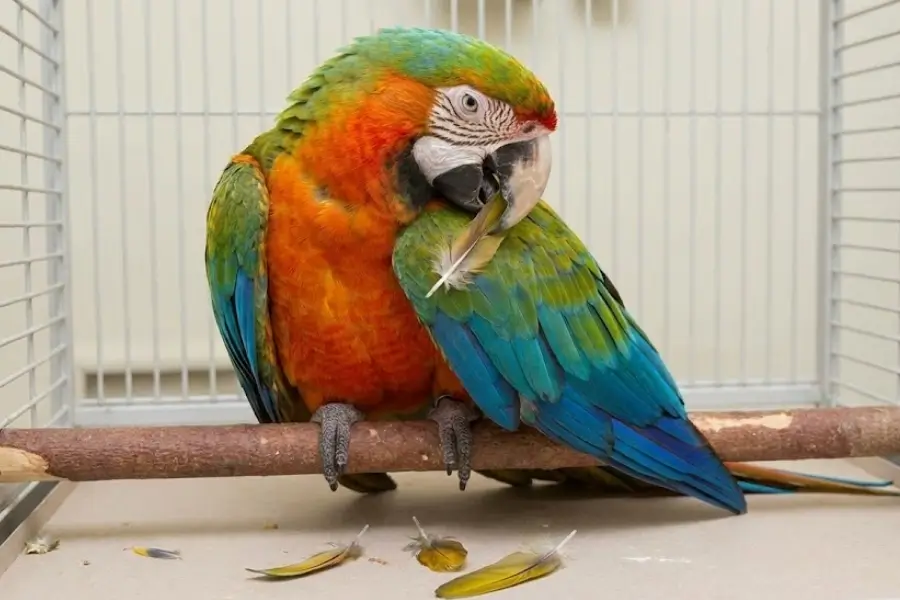
The question of whether birds get bored is answered by observing their behavior in captivity. Birds are highly intelligent, curious, and social creatures. In the wild, their day is spent foraging, flying, and socializing—a constant mental and physical workout. When they become pets, their world shrinks to the size of a cage. Without adequate enrichment, a bored bird can quickly become a stressed, depressed, and destructive bird. Mental stimulation is as critical to their health as diet and shelter.
Recognizing the Signs of Boredom
Boredom isn’t just lethargy; it manifests in destructive and self-harming ways.
– Feather Plucking: The most common and serious sign. A bored or anxious bird will obsessively chew or pull out its own feathers, leading to bald spots and skin damage.
– Excessive Screaming: Constant, repetitive squawking or calling for attention is often a sign of a deeply under-stimulated bird.
– Destructive Chewing: Chewing on inappropriate objects in the cage, or on wood/furniture when let out, due to pent-up energy.
– Lethargy: Sitting in one spot, sleeping excessively, and showing no interest in toys or interaction.
The Solution: Targeted Toys for Natural Instincts
Toys are not luxuries; they are essential enrichment tools that must cater to a bird’s natural instincts: foraging, chewing, and problem-solving.
1. Foraging Toys: The Power of the Hunt
Foraging is the single best way to keep a bird mentally busy, as it engages their deepest survival instinct—finding food.
– Examples: Simple foraging toys involve wrapping treats in paper or hiding kibble inside a small, sealed cardboard box or a knotted rope. Complex toys include plastic or metal puzzles with levers and compartments that the bird must manipulate to access the reward.
– Benefit: This activity can occupy a bird for hours, slowing down fast eaters and turning mealtime into a positive mental challenge.
2. Shredding and Chewing Toys: Healthy Destruction
Chewing is necessary for beak maintenance and stress relief. A bird *needs* to destroy things, so providing appropriate targets is key.
– Materials: Offer toys made from bird-safe wood, cardboard, paper, palm leaves, or untreated cotton rope. Unwaxed paper cups or toilet paper rolls are great, inexpensive options for small birds.
– Placement: Hang shredding toys in different areas of the cage to encourage movement and exercise.
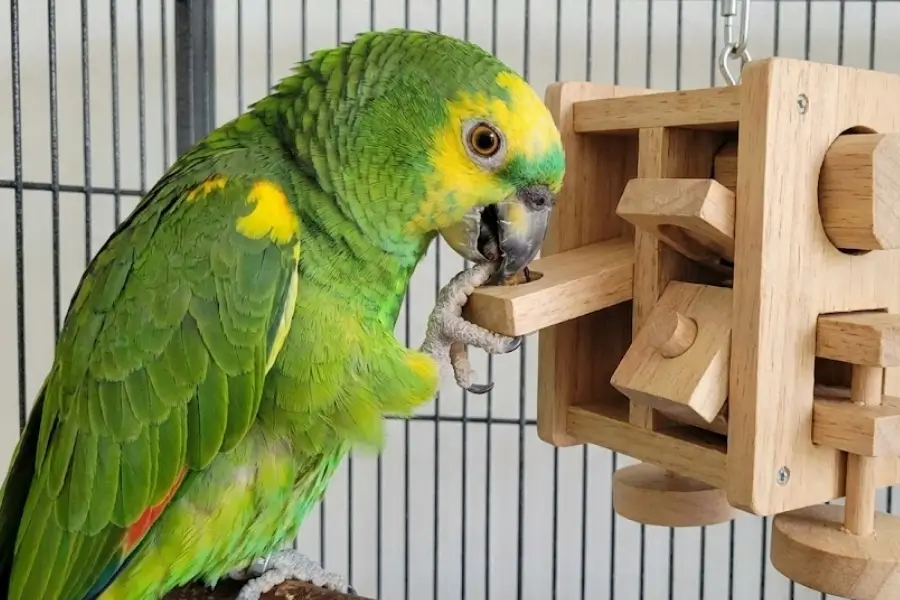
3. Puzzle and Dexterity Toys
These toys challenge your bird’s intellect and require them to use their feet and beak to solve a problem.
– Examples: Toys with movable parts, wooden blocks strung on a chain, or simple stacking toys. For larger parrots, small nuts and bolts they can unscrew provide a demanding, long-lasting challenge.
– Benefit: Builds confidence and improves manual dexterity, a critical skill for intelligent birds.
4. Foot Toys and Exercise
Small, lightweight toys that birds can hold in their feet.
– Examples: Small plastic balls, wooden dowels, or short pieces of safe rope. Tossing these small items around provides playful, low-impact exercise.
– Swings and Ladders: These pieces of equipment offer physical challenges, improving balance and coordination while changing their viewpoint.
The Critical Role of Toy Rotation
Even the most expensive toy loses its appeal if it’s always available.
– Swap Regularly: Maintain a large supply of different types of toys and rotate them every week or two. Putting a toy away and bringing it back later makes it feel novel and exciting again.
– Observe: Pay attention to which textures and types of toys your bird engages with the most to tailor your collection to their specific needs.
Conclusion
A bird’s health is intrinsically linked to its mental activity. By understanding the signs of boredom and providing a varied, stimulating environment through the consistent rotation of foraging, shredding, and puzzle toys, you are ensuring your feathered companion is happy, well-adjusted, and less likely to engage in destructive behaviors.









0 Comments