
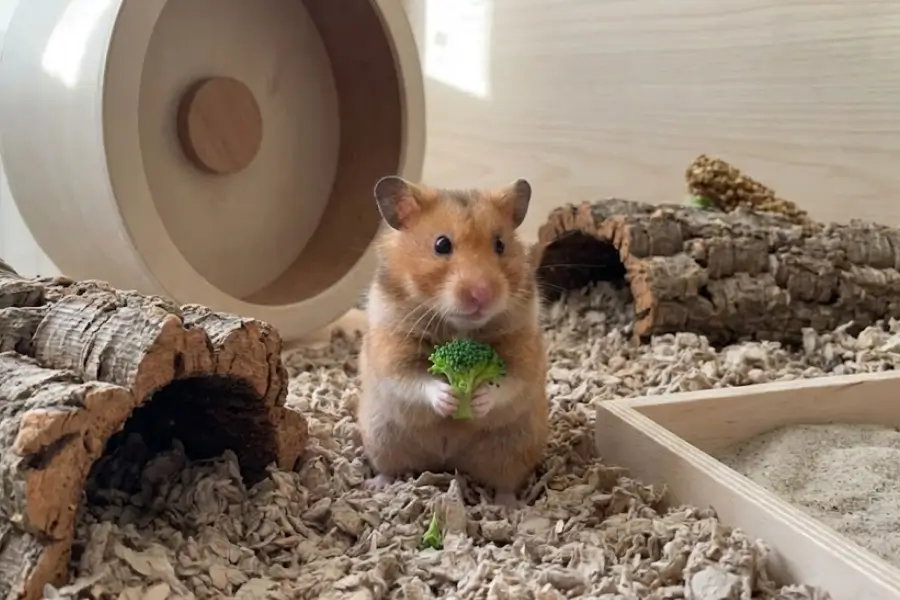
Welcome to the wonderful world of hamster ownership! These small, furry creatures can make delightful companions, but like any pet, they require specific care to live happy and healthy lives. This comprehensive guide will walk you through everything you need to know, from setting up their habitat to building a bond with your new friend.
1. Choosing Your Hamster & Preparation
Before you bring a hamster home, it’s crucial to be prepared.
– Research Breeds: The most common pet hamsters are Syrian hamsters (larger, solitary, need more space) and Dwarf hamsters (smaller, sometimes social in pairs from a young age). Each has slightly different care needs, so choose one that fits your lifestyle.
– Finding a Healthy Hamster: Look for a hamster that is active (especially in the evening), has bright eyes, clean fur, and no signs of discharge from its nose or bottom. A healthy hamster should be alert and curious.
– The Golden Rule: Set up the habitat BEFORE bringing your hamster home. This minimizes stress and allows them to settle in immediately.
2. The Perfect Habitat (The Cage)
Your hamster’s cage is its entire world, so it needs to be spacious, safe, and enriching.
– Size Matters: The biggest myth is that small critters need small cages. For a Syrian hamster, aim for a minimum of 600 square inches of unbroken floor space. Dwarf hamsters also need plenty of room to explore, with 450 square inches being a good starting point. Larger is always better!
– Cage Type: Wire cages with a deep plastic base are good for ventilation. Glass aquariums (at least 20-gallon long, preferably 40-gallon breeder) are excellent for providing deep bedding for burrowing and are escape-proof. Avoid cages with colorful tubes, as they are often too small and can be hard to clean.
– Bedding: Use a safe, unscented substrate like aspen shavings or paper-based bedding (e.g., Carefresh, Kaytee Clean & Cozy). Avoid pine and cedar, as their oils can cause respiratory problems. Provide at least 4-6 inches of bedding to allow for burrowing.
– Hideouts: Hamsters are prey animals and need a safe place to hide and sleep. Provide at least one hideout, but more is better.
– Location: Place the cage in a quiet area of your home, away from direct sunlight, drafts, and other pets. The room temperature should be kept between 65-75°F (18-24°C).

3. Diet & Nutrition
A balanced diet is key to your hamster’s health.
– Staple Food: The foundation of their diet should be a high-quality commercial hamster mix. Look for a mix with a good balance of seeds, grains, and pellets. Avoid mixes with too many sugary treats like dried fruit.
– Fresh Supplements: Offer small amounts of fresh food 2-3 times a week. Safe options include broccoli, carrots, cucumber, spinach, and small pieces of apple or berries. Always remove uneaten fresh food after 24 hours.
– Water: Fresh, clean water must be available at all times. A water bottle with a metal sipper tube is the best option, as bowls can quickly become soiled. Check the bottle daily to ensure it’s working and refill with fresh water.
– Treats: Treats should be given sparingly and used for taming or as an occasional reward. You can use commercial hamster treats, small pieces of plain cooked chicken, or a mealworm.
4. Health & Hygiene
Maintaining a clean environment is essential for preventing illness.
– Cleaning Routine:
– Daily: Spot clean the cage, removing soiled bedding, uneaten fresh food, and refilling the water bottle.
– Weekly: Do a more thorough cleaning. Remove about half of the bedding and replace it with fresh material, mixing it with the remaining old bedding to retain their scent (which reduces stress). Wipe down surfaces and the wheel.
– Monthly: Perform a full deep clean, washing the entire cage, accessories, and wheel with mild soap and water. Rinse thoroughly and dry completely before adding fresh bedding.
– Health Checks: Regularly check your hamster for signs of illness, such as lethargy, weight loss, hair loss, wetness around the tail (“wet tail” – a serious condition), or overgrown teeth/nails.
– Find a Vet: Locate an exotic animal veterinarian in your area before you need one.
5. Taming & Handling
Building trust with your hamster takes time and patience.
– The “Settling-In” Period: Give your new hamster 2-3 days to adjust to its new home without any handling. You can sit by the cage and talk to it gently to get it used to your voice.
– The “Treat” Method: Once your hamster seems comfortable, start by offering a small treat from your hand through the cage bars or inside the cage. Let the hamster come to you.
– Scooping, Not Grabbing: When you’re ready to pick up your hamster, always scoop it up gently from below with both hands. Never grab it from above, as this mimics a predator and will cause fear.
– Short & Sweet Sessions: Keep handling sessions short (5-10 minutes) initially, and always handle your hamster over a soft surface like a bed or sofa in case it jumps.
– Be Patient: Every hamster is different. Some will become tame quickly, while others may always be a bit more timid. Respect their pace and never force interactions.
6. Enrichment & Play
Hamsters are incredibly energetic and need plenty of mental and physical stimulation.
– Exercise Wheel: This is a must-have. Choose a solid-surface wheel (no wire rungs) that is large enough for your hamster to run without its back arching. A Syrian hamster needs an 11-12 inch wheel, while a Dwarf hamster needs an 8-10 inch wheel.
– Toys & Chews: Provide a variety of chew toys (wooden blocks, cardboard tubes, apple wood sticks) to keep their ever-growing teeth filed down and to prevent boredom. Rotate toys regularly to keep things interesting.
– Sand Bath: Most hamsters love a sand bath to keep their fur clean. Use a container filled with chinchilla sand (not dust, which can cause respiratory issues).
– Playtime: Once your hamster is tame, you can create a safe, escape-proof playpen for out-of-cage time. Fill it with toys, tubes, and hideouts for them to explore. Always supervise playtime closely.
Conclusion
Bringing a hamster into your life is a commitment, but one that is incredibly rewarding. By providing a proper habitat, a balanced diet, and plenty of love and patience, you can ensure your new little friend lives a long, happy, and healthy life. Enjoy the journey of getting to know your unique and wonderful pet!














0 Comments