
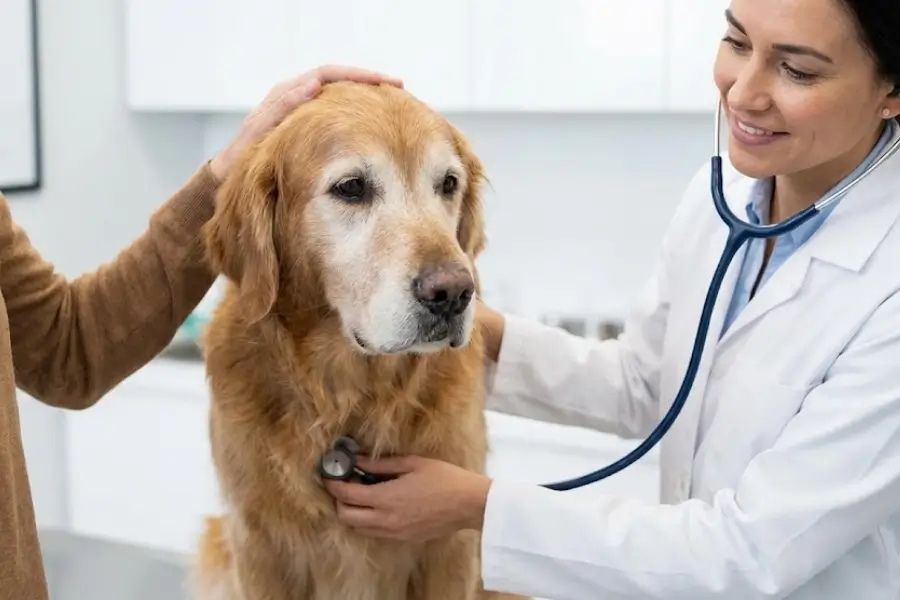
As our beloved canine companions age, their health needs evolve. Just like humans, senior dogs are more susceptible to certain conditions, and early detection is key to managing these issues and maintaining their quality of life. Beyond regular veterinary check-ups, there are several essential health checks you can perform at home to monitor your older dog’s well-being and spot potential problems sooner. Being proactive can make a significant difference in their golden years.
1. Mobility and Joint Health
Arthritis and joint pain are common in older dogs, affecting their ability to move comfortably.
– Observe Movement: Watch your dog walk, run, and get up from a resting position. Look for stiffness, limping, difficulty climbing stairs, or reluctance to jump onto furniture.
– Palpate Joints: Gently feel your dog’s joints (hips, knees, elbows). Swelling, warmth, or sensitivity to touch can indicate inflammation.
– Changes in Gait: A shuffling gait, dragging paws, or an unusual sway can be signs of neurological issues or severe joint pain.
2. Dental Health
Dental disease is rampant in older dogs and can lead to serious health problems beyond the mouth, including heart and kidney disease.
– Check Gums and Teeth: Lift your dog’s lips regularly to inspect their teeth and gums. Look for red, swollen, or bleeding gums, excessive tartar buildup (yellow/brown crust), broken teeth, or missing teeth.
– Bad Breath: While “dog breath” is often accepted, truly foul odor can be a sign of severe dental infection.
3. Weight and Body Condition
Weight changes, either loss or gain, can be significant indicators of health shifts in senior dogs.
– Feel the Ribs: You should be able to easily feel your dog’s ribs with light pressure, but they shouldn’t be visibly protruding.
– Observe from Above: Look for a visible waistline when viewing your dog from above. A sagging belly or no waist indicates overweight, while a very narrow torso suggests underweight.
– Sudden Changes: Unexplained weight loss can signal underlying diseases like cancer, kidney disease, or hyperthyroidism. Weight gain can exacerbate joint problems and increase the risk of diabetes.
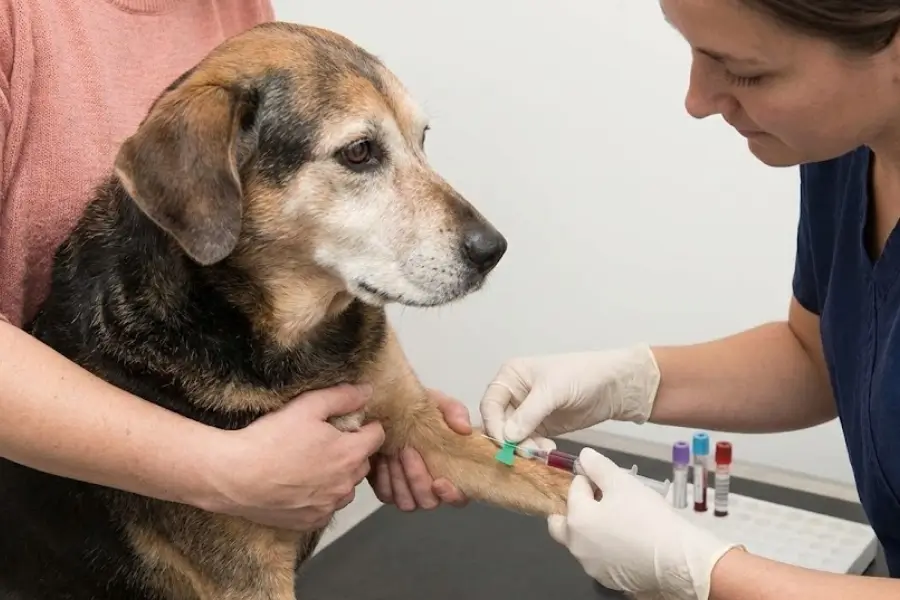
4. Lumps and Bumps
Older dogs are prone to developing various lumps and bumps, and while many are benign (like fatty tumors), some can be serious.
– Full Body “Pat Down”: Routinely run your hands over your dog’s entire body, feeling for any new growths or changes in existing ones. Pay attention to the underarms, groin, and neck.
– Note Characteristics: If you find a lump, note its size, texture (hard or soft), mobility (fixed or movable), and location. Any rapidly growing, firm, or painful lump should be checked by a vet immediately.
5. Eye and Ear Health
Changes in vision and hearing are common with age, but some issues require intervention.
– Eye Clarity: Look for cloudiness, redness, discharge, or difficulty seeing in familiar environments. Cataracts (cloudy lenses) are common, but other conditions like glaucoma are painful and require urgent care.
– Ear Cleanliness: Check for redness, swelling, discharge, or a foul odor. Senior dogs can be prone to ear infections. Notice if they are less responsive to sounds or seem disoriented.
6. Hydration and Urination Habits
Changes in thirst and urination can be early signs of kidney disease, diabetes, or other serious conditions.
– Water Intake: Monitor how much water your dog drinks. Excessive thirst (polydipsia) or decreased thirst can be alarming.
– Urination Frequency and Volume: Pay attention to how often your dog needs to go out and the volume of urine. Increased urination (polyuria) can indicate kidney issues or diabetes. Difficulty urinating or accidents indoors also warrant a vet visit.
Conclusion
Being attuned to these subtle changes in your senior dog’s health can provide invaluable information to your veterinarian and allow for earlier diagnosis and treatment of age-related conditions. These home checks, combined with regular vet visits, are your best tools for ensuring your older dog enjoys a comfortable, happy, and healthy life in their golden years.








0 Comments