
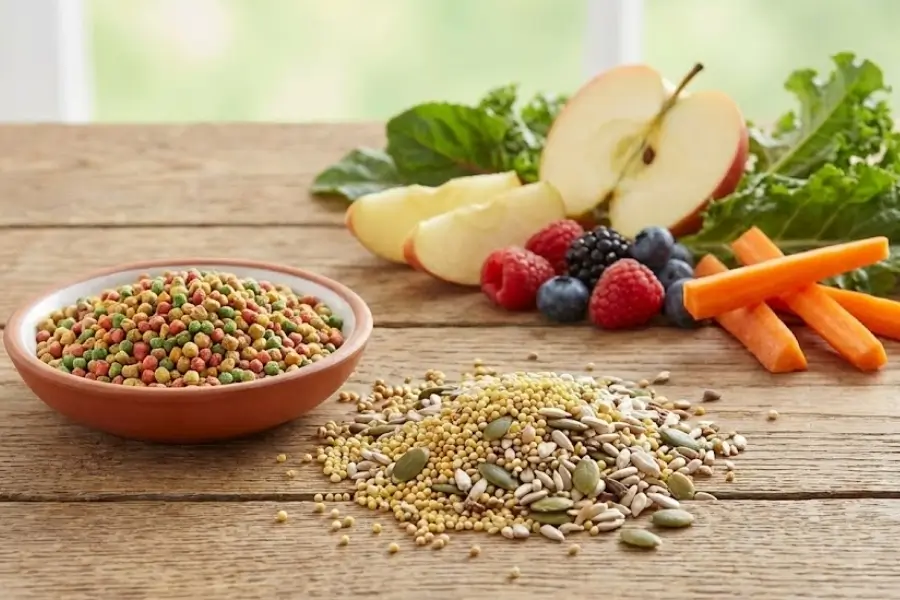
A balanced and nutritious diet is key to a pet bird’s health. While a high-quality, formulated pellet mix should form the foundation, the addition of healthy seeds, fresh fruits, and vegetables is crucial for providing essential nutrients and mental stimulation.
The Foundation: Pellets vs. Seeds
An exclusively seed-based diet is high in fat and low in many essential nutrients, which can lead to obesity and disease.
– Pellets: Should make up about 60-80% of your bird’s daily food intake. They are designed to provide a complete and balanced nutritional profile.
– Seeds: Should be treated as a small portion or a **treat**, not the main meal. They are valuable for healthy fats and enrichment.
The Role of Seeds: A Healthy Addition
Seeds are a natural part of a bird’s diet and are excellent for mental enrichment when offered appropriately.
– Healthy Seed Options: Millet (good for small birds), Safflower seeds (lower fat than sunflower), Pumpkin seeds (good protein source), and Flax seeds (rich in omega-3s for feather health).
– Millet Spray: Excellent for foraging and training, but should be given sparingly due to calorie content.
Fresh Is Best: Fruits and Vegetables
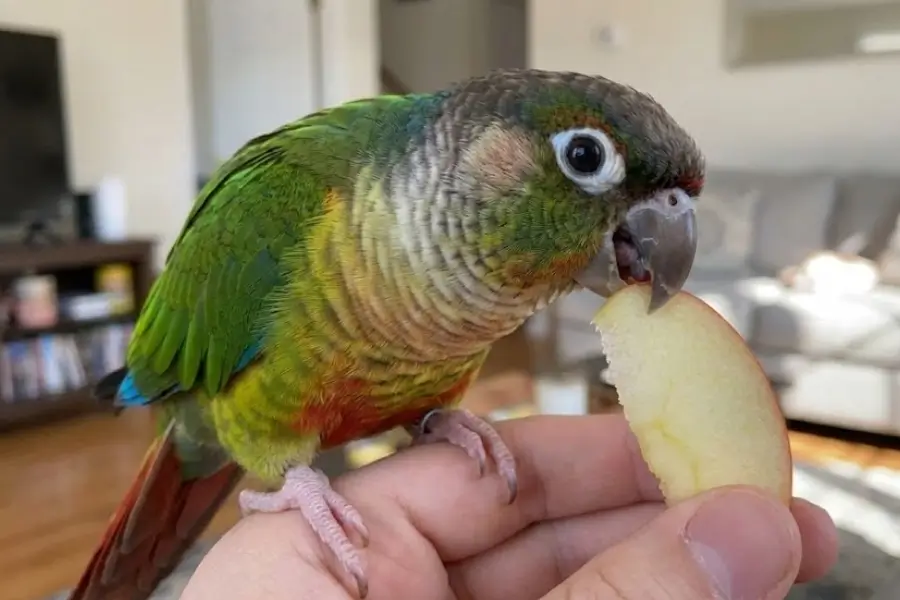
Fresh produce offers essential vitamins, minerals, and variety. These should make up 10-20% of the diet.
– Vegetables: Offer daily. Dark leafy greens (kale, spinach), carrots, sweet potatoes (cooked), broccoli, and bell peppers are great. Vegetables should form the bulk of fresh food.
– Fruits: Offer in smaller quantities due to higher sugar content. Berries, apples (without seeds), melons, and bananas are safe choices.
Healthy Treats for Bonding and Training
Treats are a fantastic way to bond with your bird and reward behavior.
– Nuts: Almonds, walnuts, and pecans are excellent sources of healthy fats and protein. Offer plain and unsalted.
– Sprouted Seeds: Sprouting increases the vitamin content and makes them easier to digest.
– Healthy Human Foods: Small amounts of cooked brown rice, whole-wheat pasta, or hard-boiled egg can be offered as a special treat.
Foods to Avoid (Highly Toxic)
Never feed your bird these common human foods:
– Avocado: Contains persin, which can cause severe heart damage and death in many species.
– Chocolate and Caffeine: Toxic to birds and can cause hyperactivity, tremors, and cardiac issues.
– Fruit Pits and Apple Seeds: Can contain trace amounts of cyanide.
– Onions and Garlic: Can cause damage to red blood cells.
– Alcohol, Salt, and Sugary Foods: These can be severely harmful to a bird’s small body.
Conclusion
By focusing on a pellet-based foundation and enriching the diet with a daily variety of fresh, safe produce and appropriate seeds, you ensure your bird receives optimal nutrition for a long and vibrant life. Always consult an avian veterinarian for diet specifics.




0 Comments