
For many cat owners, the sight of the cat carrier is a stressful call to arms. The hissing, the scratching, the desperate hiding under the bed—it’s a battle that precedes every vet visit. This resistance happens because cats are clever and associate the carrier, which is usually stored away, only with stressful events like car rides and veterinary examinations. The good news is that you can completely change your cat’s perception, transforming the carrier from a source of fear into a cozy, safe, and familiar haven. The key is consistent, low-stress, positive conditioning.
1. Make the Carrier a Permanent Fixture in Your Home
The biggest mistake owners make is storing the carrier out of sight and only producing it when it’s time for a trip. This immediately triggers fear and defensive behavior.
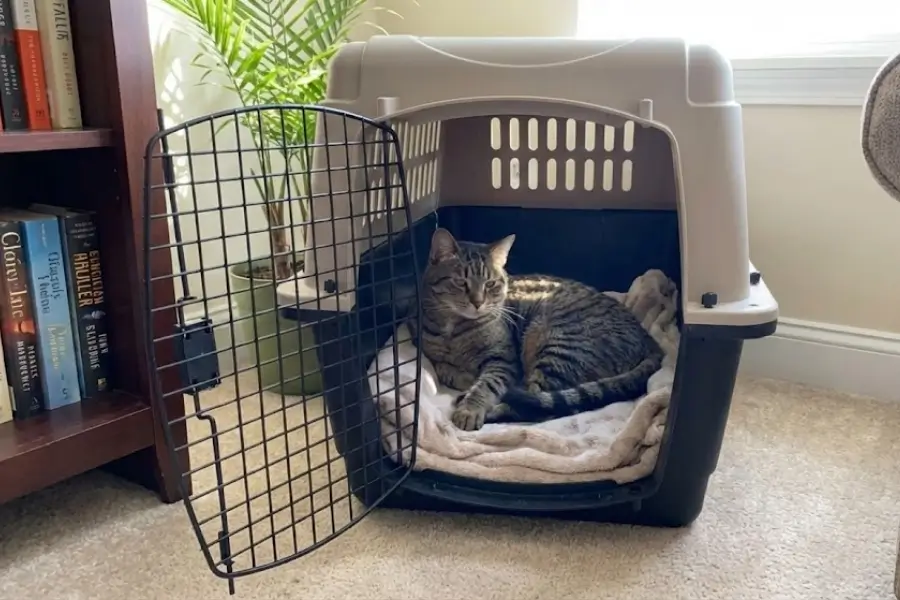
– Integrate It: Place the carrier in a high-traffic area of your home, such as the living room, near a sunny window, or next to your cat’s favorite resting spot.
– Always Open: Keep the carrier door propped open at all times. This allows your cat to explore it on their own terms, making it a neutral piece of furniture rather than a trap.
– Familiarity Breeds Contentment: When the carrier is always present, it becomes a routine, non-threatening part of their daily landscape.
2. Create the Ultimate Cozy Den
A bare, plastic box is not inviting. You must turn the carrier into the most comfortable and secure spot in the house.
– Soft Bedding: Line the bottom of the carrier with soft, comfortable bedding. Use a blanket, towel, or a t-shirt that already smells like you or your cat to maximize familiarity.
– Pheromone Power: Use a calming pheromone spray, like Feliway, and spray the inside of the carrier 15-30 minutes before you want your cat to go in or before a trip. Pheromones can significantly reduce anxiety.
– Hidden Treats: Occasionally toss a few high-value treats or a favorite toy inside the carrier when your cat isn’t looking. When they find the “surprise,” it creates a spontaneous, positive association.
3. Use Positive Reinforcement and Feeding
Never force your cat into the carrier, as this will only intensify their fear. Instead, encourage them to enter voluntarily through positive reinforcement.
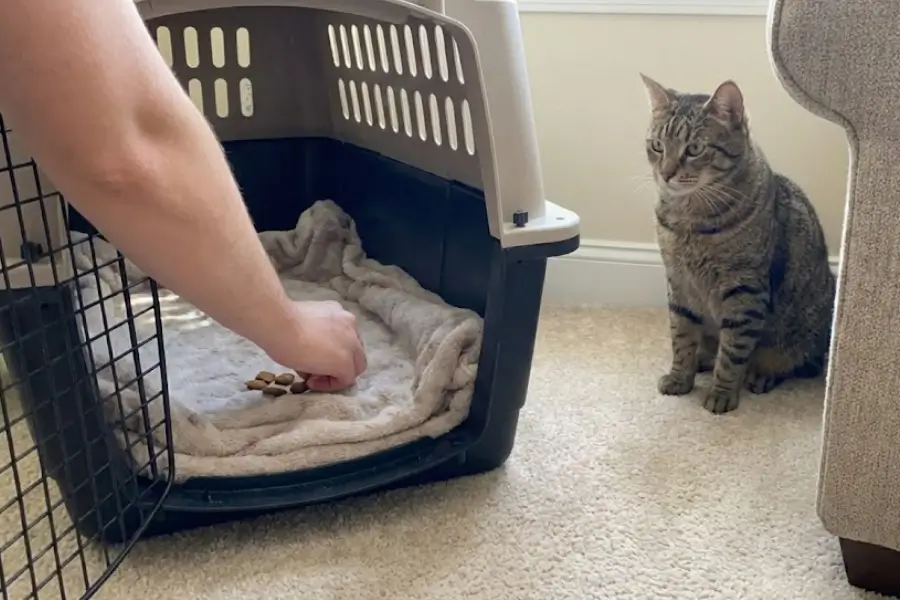
– The Treat Lure: Start by placing treats near the carrier entrance. Once your cat is comfortable eating those, move the treats just inside the door, and then gradually further into the back.
– Mealtime Method: If your cat is highly food-motivated, feed them their regular meals right inside the carrier. Begin with the bowl near the entrance, and over several days, move it all the way to the back. This powerful association links the carrier with the reward of food.
– Praise and Reward: Whenever your cat enters the carrier voluntarily, even for a moment, offer calm, enthusiastic praise and a small treat.
4. Practice Short, Low-Stress Drills
Once your cat is willingly entering and exiting the carrier, you can condition them to accept the door closing and movement.
– Close and Open: While your cat is inside eating a treat, gently close the door for a second, then immediately open it. Gradually increase the time the door stays closed (3 seconds, 5 seconds, 10 seconds).
– Lift and Walk: Once they are relaxed with the door closed, gently lift the carrier and walk around the room for a few steps. Set it down, open the door, and reward them.
– Introduce the Car: Progress to short trips—just a walk to the car, a quick turn of the engine, or a trip around the block. Always return home and reward them immediately. The point is to make the carrier and the car ride a non-event.
Conclusion
Getting your cat comfortable with their carrier is a process that requires patience and consistency, but the payoff is a less stressful life for both of you. By maintaining the carrier as a cozy, permanent part of their environment and associating it only with positive experiences, you ensure that vet visits and necessary travel become calm, manageable events instead of battles.













0 Comments