
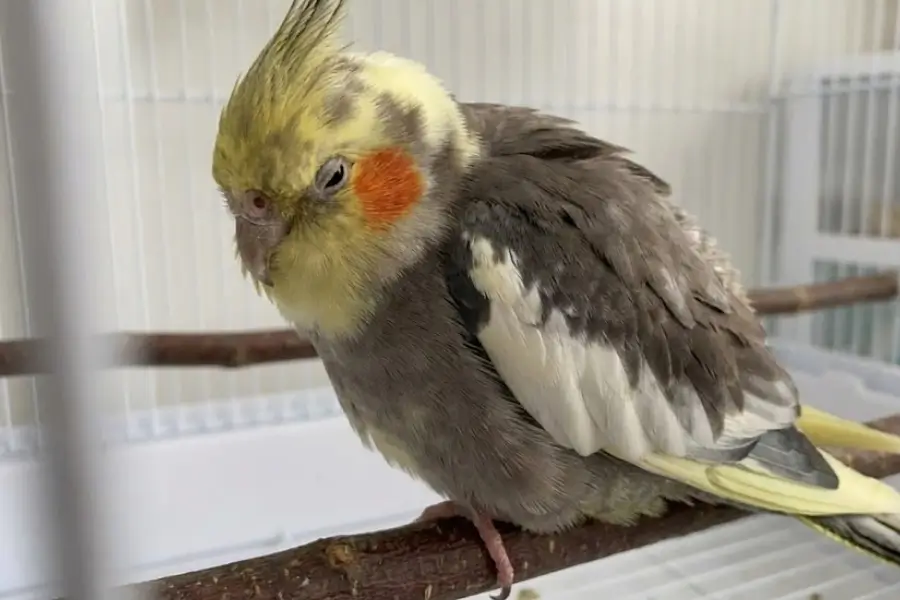
Birds are masters of disguise. Due to a strong preservation reflex, they hide their illnesses for as long as possible. By the time a pet bird shows obvious signs of being unwell, it is often already very sick. As a responsible bird owner, observing even the most subtle changes in behavior or appearance is crucial for early detection and successful recovery.
Physical Signs of Illness
A healthy bird should have smooth feathers, bright eyes, and a clean vent.
– Fluffed Feathers: A bird that is constantly fluffed up is trying to conserve body heat and is a major sign of illness.
– Changes in Eyes or Nostrils: Look for any discharge, redness, or swelling around the eyes or nostrils (nares). Eyes should be clear and bright.
– Weight Loss: A sudden or significant drop in weight is a red flag. The keel bone (breastbone) may feel more prominent.
– Respiratory Issues: Signs include open-mouth breathing, wheezing, clicking sounds, or a “tail bob” (tail moving up and down with each breath).
Behavioral Changes
Changes in daily habits can be just as telling as physical signs.
– Lethargy and Decreased Activity: A sick bird will often sleep more and may sit at the bottom of the cage instead of on its perch.
– Loss of Appetite: A significant change in eating or drinking habits is a major concern.
– Changes in Vocalization: Your bird may become unusually quiet or, conversely, may make different sounds than normal.
The Importance of Checking Droppings
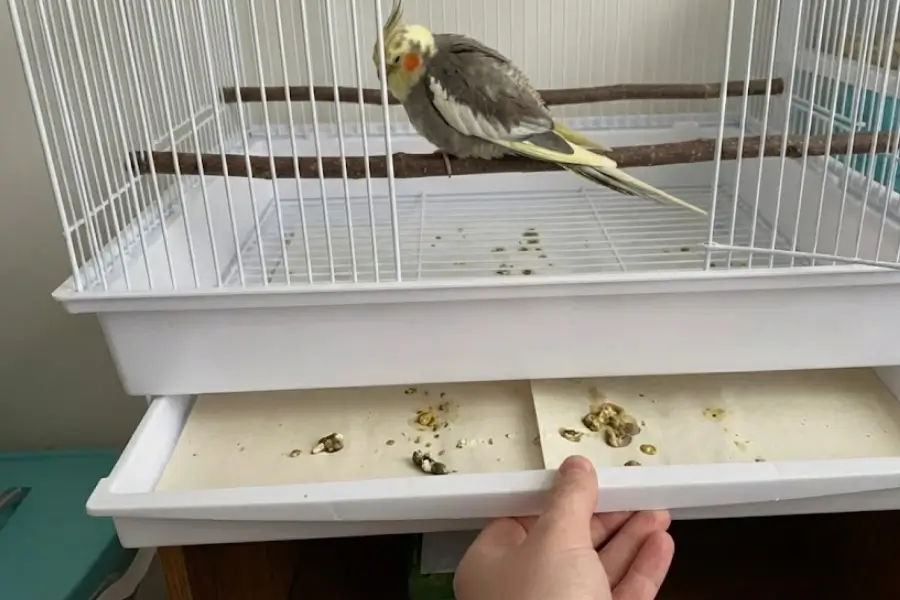
Checking your bird’s droppings daily is a vital health check. A dropping consists of three parts: feces (solid, dark), urates (solid, white/cream), and urine (liquid).
– Look for Changes: Watch for a change in color (e.g., yellow or green urates), consistency (unusually watery or loose), or quantity.
– Undigested Food: The presence of whole seeds in the feces is a serious sign of digestive failure.
What To Do First
If you notice **any** of these signs, consider it a medical emergency and act quickly.
– Call Your Avian Veterinarian Immediately: Do not delay. Explain the symptoms you have observed and follow their advice.
– Keep Your Bird Warm: A sick bird loses body heat quickly. Provide gentle heat, such as a heating pad set on low under one side of the cage or a bird-safe heat lamp. Ensure the bird can move away from the heat source.
– Reduce Stress: Place the cage in a quiet, dimly lit room away from drafts, other pets, and household noise. Cover the cage on three sides.
– Ensure Access to Food and Water: Place bowls near where the bird is resting, making them easy to reach.
– Prepare for Transport: Use a small, secure travel carrier. Bring the cage paper with the abnormal droppings with you for the vet to examine.
Conclusion
Because birds hide their illness so well, a “wait and see” approach is often a mistake. By being a vigilant owner and acting quickly at the first sign of trouble, you give your feathered friend the best chance of a full recovery.







0 Comments