
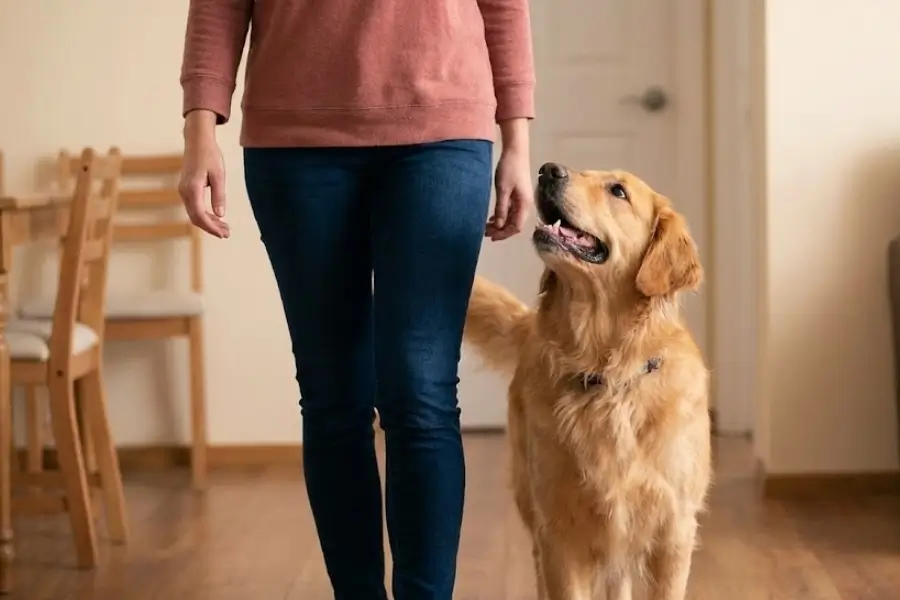
If you can’t walk from the kitchen to the living room without your dog shadowing your every move, you have a “Velcro dog.” While this constant companionship is often sweet, sometimes it can be perplexing. Why do they follow you into the bathroom? Why must they lie on your feet while you work? Understanding this common behavior requires decoding your dog’s instincts, training, and deep connection to you. It’s usually a sign of love, but occasionally, it can indicate an underlying issue.
The Instinctive Drive: Pack Mentality
The core reason your dog follows you is rooted in their pack instincts. Though domesticated, dogs retain the instinct to stick close to their primary resource provider and leader—you.
– Social Cohesion: In a wild canine pack, members travel together for safety and hunting efficiency. You are your dog’s pack, and staying close is an inherent part of social cohesion.
– The Leader’s Location: Following you ensures they know where the “pack leader” is, which provides them with a sense of security and direction.
The Learned Behavior: History of Rewards
Your dog is a keen observer, and they have learned that being near you often leads to positive outcomes. This is learned behavior reinforced over time.
– The Source of Good Things: You are the source of food, water, walks, treats, and playtime. Your dog associates your movement with potential rewards. For instance, following you into the kitchen often results in a snack or a meal.
– Attention and Affection: Every time you look down and acknowledge them, even with a quick pet or word of praise, you are reinforcing the following behavior. Even mild frustration (like tripping over them) is still a form of attention.

When Following Becomes an Issue: Separation Anxiety
While most following is normal, when it becomes obsessive, it can be a symptom of separation anxiety. This is especially true if the behavior is tied to visible distress when you leave the house.
– Signs of Anxiety: If your dog is anxious, the following behavior will be constant and often frantic. When you prepare to leave (e.g., picking up keys, putting on shoes), they will become overly distressed.
– Destructive Behavior: Dogs with separation anxiety often exhibit destructive chewing, excessive barking, or elimination (peeing/pooping) when left alone.
– Constant Proximity: They may refuse to settle unless they are physically touching you, which is a key sign that the behavior is rooted in anxiety rather than simple companionship.
Practical Tips for Managing the Velcro Dog
If the constant following is disruptive, you can gently encourage more independence without discouraging affection.
– Teach a “Go to Mat/Place” Command: Train your dog to go to a designated spot (a bed or mat) and stay there while you are moving around the house. Reward them for settling in their place while you are nearby.
– Ignore the Shadow: When your dog follows you, do not reward them with eye contact, talking, or petting. Wait until they settle down in a different spot before calmly approaching and rewarding them.
– Introduce “Scheduled Absence”: Practice leaving the room for a few seconds, then returning and calmly praising them *before* they become distressed. Gradually increase the duration of your absence. This teaches them that your departures are temporary and not a cause for alarm.
Conclusion
Your dog follows you because they love you, they trust you, and their instincts tell them to stay close to their pack. While it’s a testament to your strong bond, it’s important to distinguish between affectionate companionship and genuine anxiety. By providing enrichment and teaching independent settling skills, you can enjoy a happy, healthy relationship with your devoted shadow.












0 Comments