
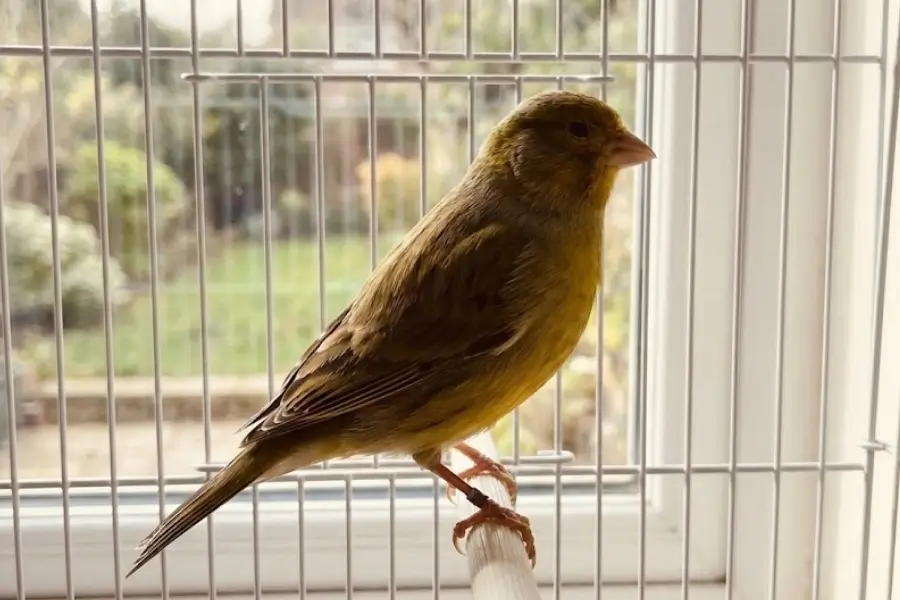
When a typically vocal bird suddenly falls silent, it’s often a cause for concern. For many pet bird owners, their bird’s song is a sign of happiness. The silence is a significant change, but it is not always a sign of illness. By decoding their behavior, you can understand the reasons behind their sudden quiet spell.
Natural Causes: It’s Part of Their Cycle
Several healthy, natural reasons can account for a temporary loss of song.
– Molting: This is the most common reason. Growing new feathers is incredibly energy-intensive and can leave your bird feeling tired and less inclined to sing. Their song should return once the molt is complete.
– Age and Gender: In many species, like canaries, only the males sing complex songs. Older birds often sing less frequently than they did when they were young.
– Time and Season: Birds are most vocal during the breeding season and in the early morning. They may be naturally quieter during winter months or midday.
– Learning Curve: Young birds go through a quiet period as they listen and learn their species’ specific songs before they begin practicing.
Environmental Factors: Stress and Change
Birds are highly sensitive to their surroundings, and stress is a major reason for silence.
– New Surroundings: Moving the cage to a new room or moving to a new house can cause a bird to be silent until they feel safe again.
– Improper Lighting: Irregular light cycles (too much or too little light) can disrupt their natural rhythms and cause stress or lethargy. They need a consistent 10-12 hours of light per day.
– Boredom or Loneliness: Highly social and intelligent birds, such as parrots, can become depressed or silent if left alone for long periods without sufficient toys or interaction.
Health Concerns: When to See a Vet
A prolonged silence that cannot be explained by natural causes must be investigated by an avian veterinarian, as it is often a sign of illness.
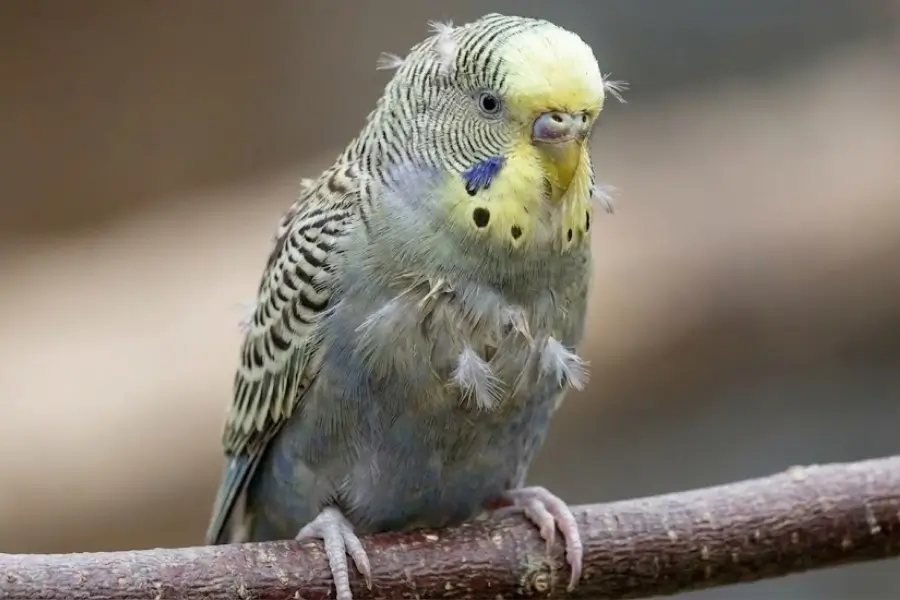
– Accompanying Symptoms: If silence is paired with other signs, seek immediate vet attention. These include: constant fluffed feathers, lethargy, sitting at the bottom of the cage, loss of appetite, changes in droppings, or labored breathing.
– Respiratory Illness: Any infection affecting the respiratory tract (such as air sac mites) can make it physically difficult for a bird to vocalize.
Conclusion
A silent bird is a signal that something is different in their world. Carefully rule out natural causes and environmental stressors first. If the silence persists or is accompanied by signs of physical distress, professional veterinary care is essential. By being a keen observer, you can help your feathered friend get back to singing their happy tune.











0 Comments